








How to Charge Your EV With Solar Panels at Home (Without Wasting a Single kWh)
Around noon on a clear day, a typical rooftop array is making more power than the house knows what to do with. The fridge, a few standby gadgets, maybe a load of laundry—none of it comes close to soaking up midday output.
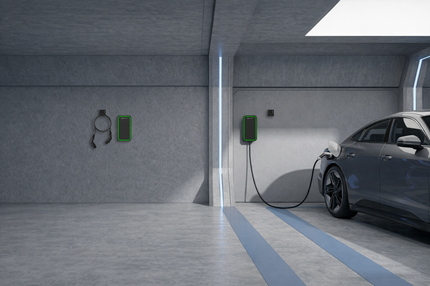
So the extra electrons flow out to the grid for a credit that keeps getting smaller. Meanwhile, the car sits in the driveway, half empty, waiting for an overnight charge bought back from that same grid at full retail price.
That mismatch is the whole problem worth solving.
Why exporting your solar is a losing trade
For years, rooftop solar paid off partly because utilities offered generous feed-in tariffs—the per-kilowatt-hour credit you earn for sending power back to the grid. That era is fading. Feed-in tariffs across several Australian states have slipped to just a few cents per kilowatt-hour, according to state energy regulators, while the price of pulling electricity back in the evening has not.
This is where self-consumption comes in—using the electricity your panels make on-site instead of selling it cheap and rebuying it dear. Every kilowatt-hour you put into the car from your own roof is one you don’t have to purchase later that night. With an EV’s appetite measured in tens of kilowatt-hours per fill, the difference adds up fast over a year.
Match the charge to the sun, not your schedule
The catch is timing. Most people plug in when they get home, which is precisely when the panels have clocked off for the day. To actually charge your EV with solar, the charger has to do its work in the middle of the day, and it has to be smart enough to only use the power that would otherwise be exported.
A Level 2 charger—the 240-volt wall unit that adds tens of miles of range per hour rather than the trickle you get from a standard outlet—is the baseline. Something like the Sigen EVAC delivers up to 11.5 kW and works with both J1772 and NACS connectors, so it covers the common plug standards in one box. But raw speed isn’t the point here. Control is.
The reason this matters at scale: according to the International Energy Agency, electric cars made up roughly one in five new vehicles sold worldwide in 2023. A lot of driveways now share this exact puzzle.
What «no wasted kWh» actually takes
The trick is a charger that watches household demand and ramps charging to match whatever solar is left over—surplus-following, in plain terms. As clouds pass or the kettle switches on, the charging rate eases off so the car never quietly starts pulling from the grid behind your back.
A few things make this practical:
- Surplus priority: the system ranks home loads and the car, then feeds the EV only what’s genuinely spare.
- Battery boost: pairing the charger with home storage lets a system top up the car faster on dimmer days by blending panel output with stored energy.
- Visibility: an app such as mySigen shows the energy flow in real time, so «am I actually on solar right now?» stops being a guess.
Done right, the daily routine flips. The car charges quietly while the sun is up, the grid stays mostly out of it, and those midday kilowatt-hours finally land in the battery you drive on instead of leaking out for pocket change.
If that’s the setup you’re after, it’s worth seeing how a home charger built to track your rooftop output handles the surplus automatically—so the timing takes care of itself.



Оставить комментарий