







On-Page SEO Optimization: Turning Websites into Search-Optimized Growth Assets
Search engine visibility is not achieved by chance. It is built through deliberate optimization of every element users and search engines interact with.
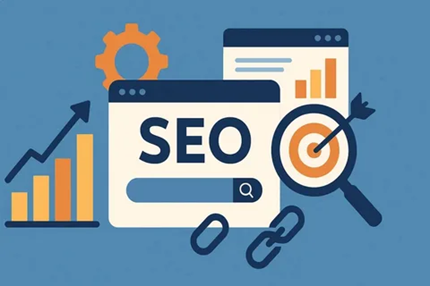
On-page SEO optimization focuses on improving individual web pages so they rank higher, attract qualified traffic, and convert users more effectively.
While off-page factors influence authority, on-page SEO controls relevance — and relevance is the foundation of sustainable rankings.
What On-Page SEO Optimization Includes
Modern on-page SEO optimization goes far beyond inserting keywords into content. It is a structured process that aligns technical elements, content quality, and user experience.
Core components include:
- title tags and meta descriptions
- heading structure (H1–H6)
- keyword placement and semantic relevance
- internal linking
- image optimization
- page speed and performance
- mobile usability
Each element sends signals to search engines about the purpose and quality of a page.
Content Optimization and Search Intent
High-performing pages are built around search intent, not just keywords. Search engines analyze whether a page truly satisfies the user’s query.
Effective on-page SEO ensures that content:
- answers questions clearly
- provides structured, scannable information
- uses natural language and related terms
- matches informational, commercial, or transactional intent
When content aligns with intent, engagement increases and rankings stabilize.
Keyword Placement Without Over-Optimization
Strategic keyword placement remains essential, but overuse can harm performance. Professional SEO on-page optimization balances clarity with readability.
Best practices include:
- primary keywords in title, H1, and URL
- secondary keywords in subheadings
- contextual use within body content
- semantic variations for topic depth
This approach improves relevance while maintaining a natural user experience.
Technical Signals That Influence Rankings
Technical details play a major role in how search engines evaluate pages.
On-page technical optimization includes:
- clean HTML structure
- optimized page load time
- mobile-first layout
- proper indexation signals
- structured data where applicable
These elements improve crawlability, accessibility, and overall performance.
Internal Linking as a Ranking Accelerator
Internal links help search engines understand content relationships and page importance. Strategic internal linking:
- distributes link equity
- improves crawl depth
- enhances user navigation
- supports topic clusters
A strong internal linking structure is a core part of advanced on-page SEO optimization.
User Experience Is Now a Ranking Factor
Search engines increasingly reward pages that provide positive user experiences. Factors such as readability, layout clarity, interaction speed, and mobile usability directly influence performance.
Optimized pages keep users engaged, reduce bounce rates, and signal quality to search engines.
Why On-Page SEO Delivers Long-Term Results
Unlike short-term tactics, on-page SEO improvements continue delivering value over time. Each optimized page becomes:
- a stable source of organic traffic
- a conversion entry point
- a foundation for future content growth
This makes on-page SEO one of the highest-ROI components of any SEO strategy.
Conclusion
On-page SEO optimization is not a one-time checklist — it is a continuous process of refinement. By aligning content, structure, and technical signals, businesses can transform ordinary pages into powerful assets that rank, engage, and convert.

Оставить комментарий