








A guide to properly opening a car with tips and important rules
Locking a car is a task that requires knowledge, experience, and adherence to certain rules to avoid damage and ensure safety.
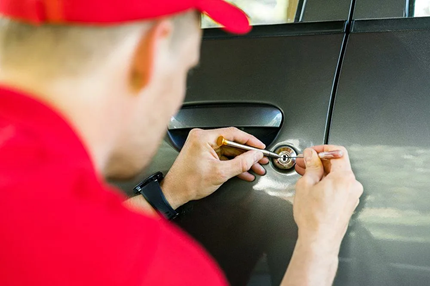
If you lose your keys or your lock is broken, it’s important to contact professionals like an automotive locksmith Guelph to complete the job quickly and without damaging your vehicle.
Safe Car Locksmithing Guidelines: A Step-by-Step Guide
Before attempting to unlock a car, it’s important to ensure you have the necessary permits and rights to perform the procedure. Opening someone else’s car without the owner’s consent or legal grounds is prohibited. A safe and careful approach is key to successfully completing the task without damage or unpleasant consequences.
Prepare all necessary tools, such as a set of screwdrivers, plastic spudgers, and tools for safe entry, while avoiding damage to the paintwork and mechanical components. It’s important to follow the correct sequence of steps to minimize the risk of damage and speed up the process.
Tool Selection and Preparation
Before you begin opening your car, it’s important to properly prepare the necessary tools and materials. To do this, it’s a good idea to create an equipment list that includes essential tools, such as screwdrivers of various sizes, plastic blades, rippers, and specialized tools for removing panels and locking mechanisms. When selecting tools, consider the vehicle’s make and model to avoid damage and speed up the process.
Furthermore, it’s recommended to prepare the work area: ensure good lighting, clear the area of unnecessary objects, and prepare protective materials, such as gloves and hand protection. Before you begin opening, it’s important to familiarize yourself with the action plan and carefully study the design of your specific vehicle model to avoid mistakes and preserve the integrity of the components. It’s also helpful to have spare tools on hand to quickly replace damaged or broken parts if needed.
Determining the Access Point Without Damaging the Paintwork
When opening a car, it’s important to correctly determine the access point to minimize damage to the paintwork. This process requires care and knowledge of the various materials used in the car’s construction. Choosing the right entry point helps preserve the appearance and value of the car.
Several methods are used to determine the optimal access point. These include visual inspection and the use of specialized tools. Below are basic guidelines and steps for choosing a safe location for opening a car without damaging the paint.
Guidelines for Selecting a Damage-Free Access Point
- Surface Inspection: Inspect the car for weak or worn areas, such as areas around door handles, locks, or window stops, which may be more susceptible to damage.
- Using Beacons and Guides: Use light or laser beacons to detect the internal structure of the door and identify internal reinforcements to avoid damaging them during opening.
- Evaluate the Cover Material: Pay attention to the quality and thickness of the paint, the presence of cracks or chips – these areas provide the safest access and are less damaging to the paint.
- Check for Hidden Cavities: Use thin tools or plastic blades to carefully detect the presence of internal cavities or voids, which helps you choose the safest point. access.
Technique for Careful Panel and Interior Component Removal
Correct removal of interior and panel components is essential to preserving parts and preventing damage. Following the correct sequence and accuracy will help complete the job quickly and efficiently.
Final Recommendations for Interior and Panel Removal
Follow the sequence: start with less visible components, then move on to the panel and interior fasteners. Use only appropriate tools to avoid damaging the components.
Be careful and patient: take your time, do not use excessive force, and avoid damaging the fasteners and clips. Use plastic spudgers and a trim removal tool.
Pay attention to fasteners: pay attention to hidden latches, screws, and clips to avoid damaging them during removal. Before removing the door, examine the location and type of fasteners in your vehicle.
By following these simple but important guidelines, you can carefully prepare your vehicle for opening, minimizing the risk of damage and simplifying subsequent work.



Оставить комментарий